
Art Is Inevitable
Get your Print via comment link

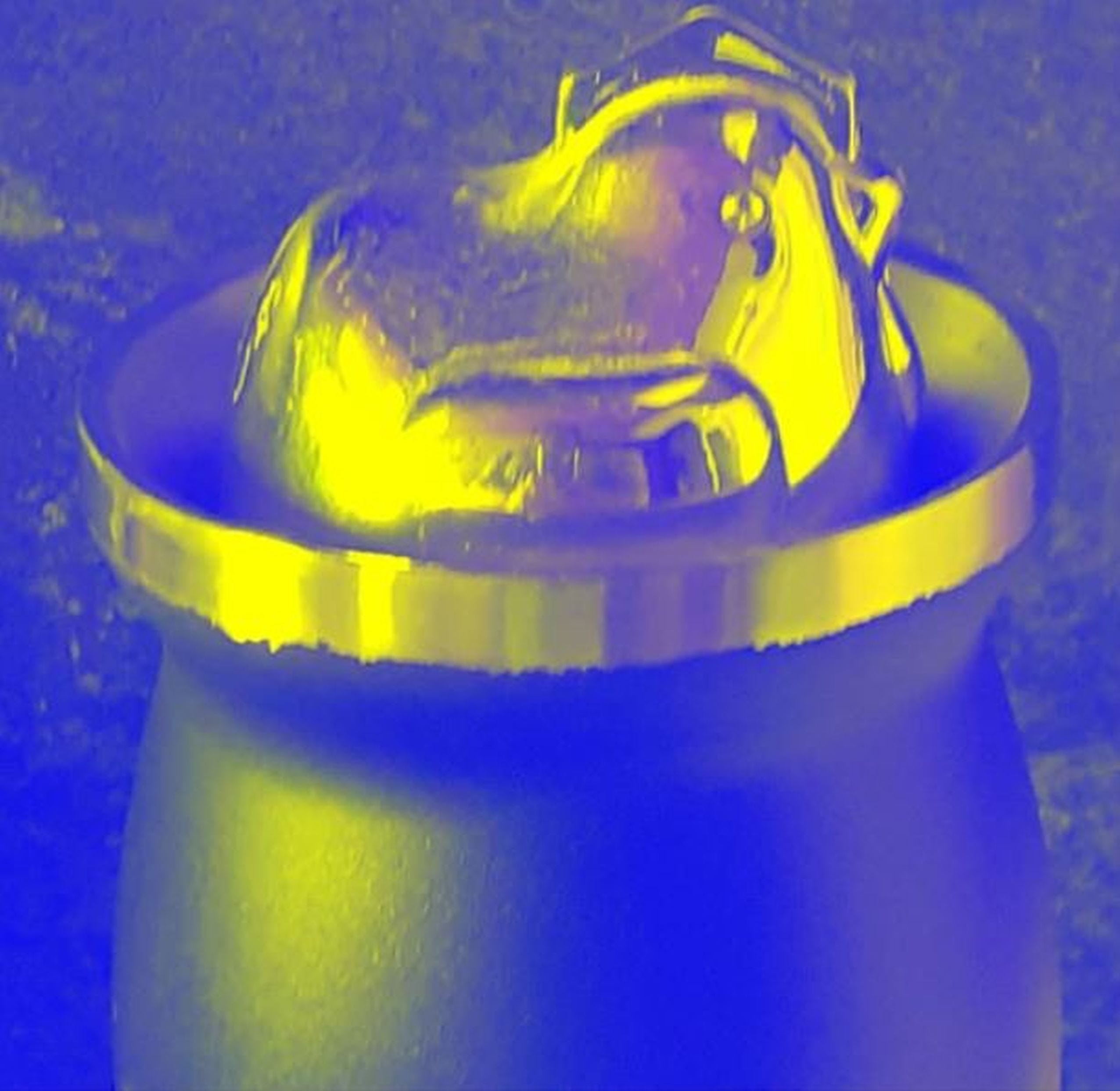
Art Is Inevitable
Art is inevitable because humans are meaning-making animals whose inner lives and social worlds demand forms to express, shape, and transmit what words alone cannot hold. Philosophically, artistic expression emerges from the same faculties that make us conscious agents: perception, imagination, and reflection. When we perceive dissonance—between what is and what could be—our minds synthesize sensations into symbolic order. A child arranging stones, a poet compressing grief into metaphor, or a scientist sketching a diagram all perform the same basic work: they convert raw experience into a pattern that can be shared and revisited. This pattern-making is not ornamental; it is cognitive. Art externalizes internal complexity so it can be inspected, compared, and reworked. In that sense, art is as inevitable as language or tool use—an adaptive strategy for managing our interiority.
Sociologically, art is woven into the fabric of communal life because groups require narratives, rituals, and shared aesthetics to bind individuals into something larger than themselves. Public murals memorialize loss and claim space; songs encode communal histories; theatrical performances rehearse moral choices. These practices stabilize social bonds, transmit norms, and mediate conflicts. Even when art agitates or alienates, it performs a social function: naming tensions, catalyzing debate, and providing symbolic resources for collective action. The ubiquity of artistic enactment across cultures and epochs—despite vast differences in form and intent—suggests that societies without art are the exception, not the rule. Where institutions fail to articulate meaning, artists step in; where political language falters, imagery speaks.
A counterargument insists that not every human need produces art, and that many people live contentedly without explicit engagement in artistic practice. Yet this misses the subtlety that art need not be a specialized profession or a polished object to count as art; it includes everyday acts of framing, imagining, and ritualizing. Moreover, what appears non-artistic often carries aesthetic and symbolic dimensions—mealtime traditions, sartorial codes, or the vernacular design of a neighborhood.
If art is inevitable, it is not guaranteed to be noble. It can reinforce hierarchies, mask cruelty, or aestheticize suffering. But its inevitability is a promise and a warning: humans will keep making meaning, and the forms that meaning takes will shape what we remember, who we become, and how we answer the questions we cannot bear to leave unasked.
https://www.artpal.com/info295?i=300501-112